
Boise Weather Starts With the High Desert
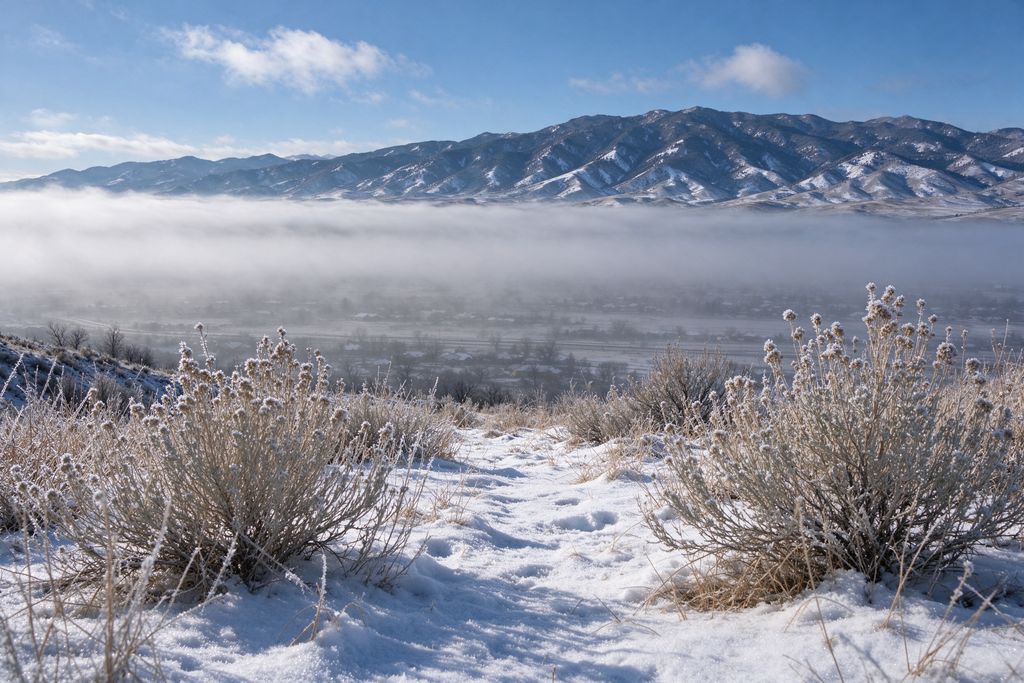
Boise weather is shaped by its setting: a dry, semi-arid valley at the edge of the Snake River Plain, with mountains to the north and east. The air holds little moisture, so temperatures swing widely between afternoon and night, and the sun feels strong even when the air is mild.
That dryness is the first thing many newcomers notice. Skin and lips dry out, houseplants want more water, and wooden furniture moved from a humid state can shrink and crack in the first winter. Summer heat feels less oppressive than the same reading in a humid city, yet dehydration sneaks up on hikers and cyclists who are used to sweating as a warning sign.
Summers are long, hot and mostly dry, with afternoons that regularly climb into the 90s Fahrenheit and occasionally past 100. Winters are cold, with valley snow that comes and goes. Spring and fall are the seasons locals brag about, though spring can be windy and changeable.
The two-forecast habit
Long-time residents check two things each morning in certain months: the temperature, and the air quality. In winter that means watching for inversions; in late summer, for smoke. Idaho DEQ publishes daily air quality forecasts for the valley.
Winter Inversions: The Gray Lid Over the Valley
An inversion flips the usual pattern where air gets cooler as you go up. On calm winter days, cold, heavy air drains into the valley floor and a warmer layer settles above it. That lid traps fog, haze, wood smoke and vehicle exhaust. It can last for days, sometimes longer, until a storm system or strong wind mixes the air out.
Life under an inversion is gray and damp-feeling, and air quality can drop into ranges where people with asthma or heart conditions are told to limit time outdoors. Some local governments issue burn restrictions during these stretches, so if you are looking at a house with a wood stove or fireplace, ask how often it can legally be used.
The fix for an inversion week is altitude. Drive up the mountain road and you often break out into sunshine.
The upside is that escape is close. Bogus Basin and the higher foothills often sit above the lid in clear sun, and a short drive can turn a gloomy week into a bright afternoon.
Smoke Season: Some Summers, Not All
Late summer and early fall can bring wildfire smoke from fires in Idaho, Oregon, California and elsewhere in the West. How much depends entirely on the year and the wind. Some summers deliver weeks of hazy skies and orange sunsets; others pass with barely a smoky day.
- Have a way to clean indoor air: a central system that can take a higher-rated filter, or a portable air cleaner sized for your main room.
- Know where to check conditions: Idaho DEQ forecasts and the federal AirNow site both report current readings.
- Plan outdoor events with a backup. Smoke can change in hours.
The messy middle: moving in August
Summer is a popular time to move because school is out. It is also peak heat and a likely smoke window. If your move lands then, schedule loading for early morning, keep water in the truck, and have a plan for pets and anyone with breathing problems on smoky days.